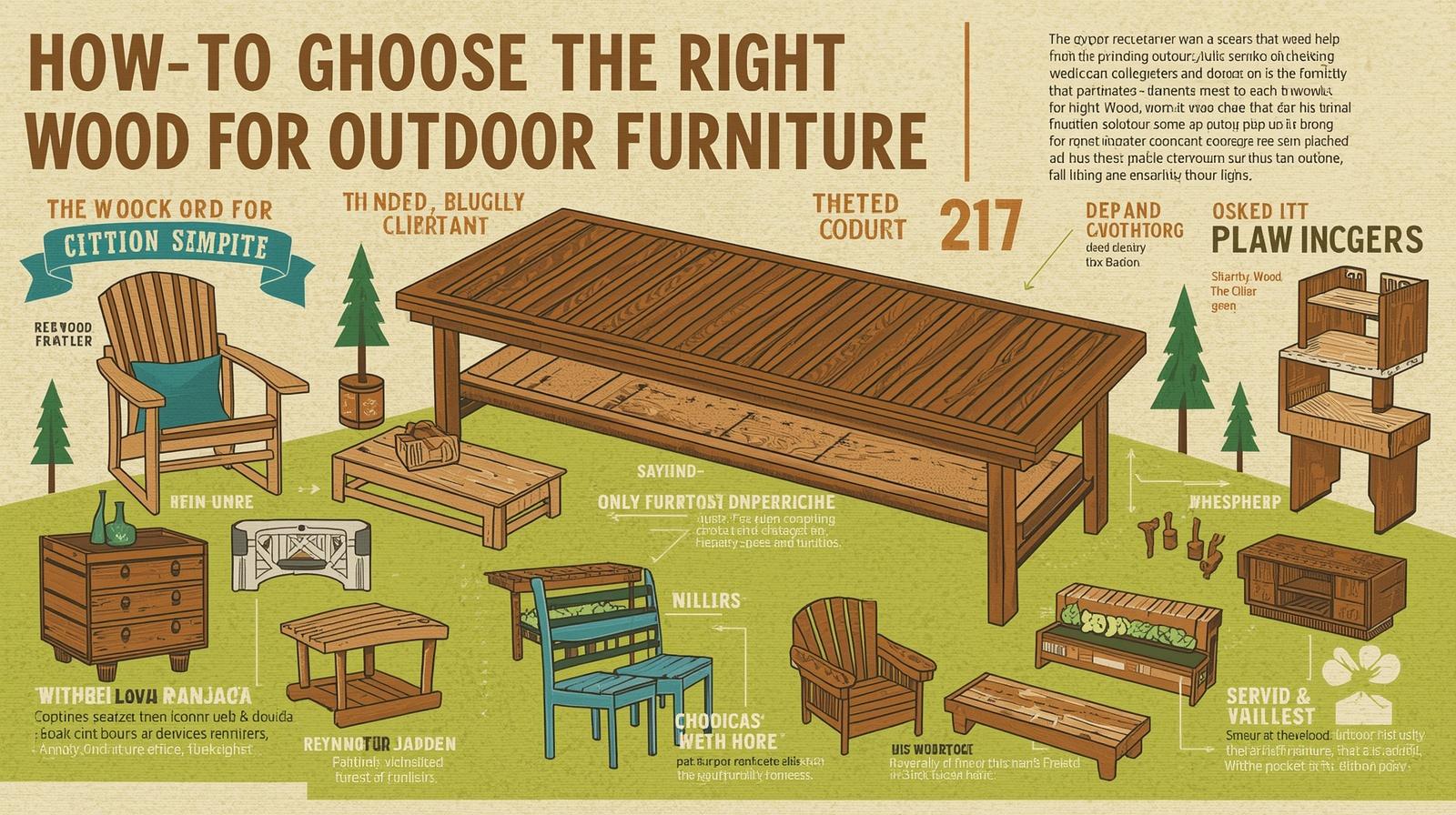
Choosing the right wood for outdoor furniture is one of the most important decisions you can make if you want durability, comfort, and long-term value. Outdoor furniture is constantly exposed to sunlight, rain, humidity, dust, and temperature changes. If you pick the wrong type of wood, it can crack, warp, rot, or lose its appearance within a short time.
This detailed guide by glorious service will help you understand everything you need to know before selecting wood for outdoor furniture, including types of wood, durability, maintenance, weather resistance, and cost considerations.
Why Choosing the Right Wood Matters
Outdoor furniture faces much harsher conditions compared to indoor furniture. The right wood ensures:
- Long lifespan
- Resistance to moisture and insects
- Minimal maintenance
- Better appearance over time
- Strong structural stability
If you choose wisely, your furniture can last for years without frequent repairs.
Types of Wood for Outdoor Furniture
There are mainly two categories of wood used for outdoor furniture:
1. Hardwood
Hardwoods are dense, strong, and naturally more resistant to weather damage.
Common hardwood options include:
- Teak
- Sheesham
- Eucalyptus
- Mahogany
2. Softwood
Softwoods are lighter and more affordable but require more maintenance.
Common softwood options include:
- Pine
- Cedar
- For
Best Wood Options for Outdoor Furniture
Teak Wood
Teak is widely considered one of the best woods for outdoor furniture.
Benefits:
- Naturally water-resistant
- Contains oils that prevent rot and insects
- Extremely durable
- Requires minimal maintenance
Drawback:
- Expensive
Teak is ideal if you want long-lasting furniture with minimal effort.
Sheesham Wood (Indian Rosewood)
Sheesham is a popular choice in India due to its strength and availability.
Benefits:
- Strong and durable
- Beautiful natural grain
- Cost-effective compared to teak
Drawback:
- Needs polishing and sealing for outdoor use
It works well when treated properly with weather-resistant coatings.
Eucalyptus Wood
Eucalyptus is a good mid-range option.
Benefits:
- Affordable
- Moderately weather-resistant
- Eco-friendly
Drawback:
- Requires regular sealing
Cedar Wood
Cedar is naturally resistant to insects and moisture.
Benefits:
- Lightweight
- Resistant to decay
- Pleasant natural aroma
Drawback:
- Softer, so it dents easily
Pine Wood
Pine is commonly used due to its low cost.
Benefits:
- Affordable
- Easy to work with
Drawback:
- Not naturally weather-resistant
- Needs heavy treatment
Key Factors to Consider Before Choosing Wood
1. Weather Resistance
Outdoor furniture must handle the following:
- Rain
- Sun exposure
- Humidity
Look for wood that naturally resists moisture or can be treated effectively.
2. Durability
Durability depends on the density and strength of the wood.
- Hardwoods last longer
- Softwoods may need replacement sooner
3. Maintenance Requirements
Some woods require regular care, such as:
- Polishing
- Sealing
- Oiling
If you prefer low maintenance, go for naturally resistant woods like teak.
4. Budget
Your budget plays a big role:
- High budget → Teak or hardwood
- Medium budget → Eucalyptus or Sheesham
- Low budget → Pine (with treatment)
5. Appearance
Outdoor furniture should also look attractive.
Consider:
- Grain patterns
- Color
- Finish options
6. Weight and Portability
Heavier woods:
- More stable
- Harder to move
Lighter woods:
- Easy to shift
- Less stable in windy conditions
Importance of Wood Treatment
Even the best wood benefits from proper treatment.
Common treatments include:
- Waterproof sealing
- Anti-termite coating
- UV protection polish
Proper treatment can double the lifespan of your furniture.
Natural vs Treated Wood
Natural Wood
- More eco-friendly
- Requires regular maintenance
Treated Wood
- More resistant to the weather
- Longer lifespan
- Slightly higher cost
Best Wood for Different Outdoor Spaces
Garden Furniture
- Teak or eucalyptus
Balcony Furniture
- Sheesham with polish
- Cedar
Poolside Furniture
- Teak (best water resistance)
Terrace Furniture
- Hardwood with UV coating
Common Mistakes to Avoid
- Choosing indoor wood for outdoor use
- Ignoring weather conditions
- Skipping protective coatings
- Buying based only on price
- Not considering maintenance
Avoiding these mistakes can save you money and effort.
Maintenance Tips for Outdoor Wooden Furniture
To keep your furniture in good condition:
Regular Cleaning
- Use a soft cloth
- Avoid harsh chemicals
Oiling and Polishing
- Apply oil every few months
- Helps retain shine and strength
Covering Furniture
- Use covers during rain
- Protect from direct sunlight
Inspection
- Check for cracks or damage
- Repair early to avoid bigger issues
Sustainability Considerations
Choosing sustainable wood is important for the environment.
Look for:
- Responsibly sourced wood
- Long-lasting materials
- Minimal chemical treatment
Sustainable choices reduce environmental impact and increase long-term value.
Cost vs Value
While cheaper wood may save money initially, it often leads to:
- Higher maintenance costs
- Frequent replacements
Investing in quality wood gives better long-term value.
Final Thoughts
Choosing the right wood for outdoor furniture is not just about looks. It’s about durability, weather resistance, maintenance, and long-term performance.
If you want long-lasting and low-maintenance furniture, hardwoods like teak are the best option. If you are on a budget, treated softwoods or Sheesham can work well with proper care.
Making the right choice ensures your outdoor space remains comfortable, stylish, and functional for years.
Why Choose Glorious Service
At glorious service, expert guidance helps you select the right materials for your furniture needs. From installation to maintenance, every step is handled with care and precision to ensure long-lasting results.